 admin
adminAgricultural spare parts myself or should I hire a technician
When machinery breaks down or requires maintenance, many farmers wonder, “Can I replace agricultural spare parts myself or should I hire a technician?” The answer often depends on the type of equipment, the complexity of the repair, and the farmer’s own skill level. Working with Agricultural Spare Parts is a routine aspect of farm operations, but deciding whether to handle replacements personally or rely on a professional is an important consideration that affects cost, efficiency, and equipment longevity.
Many farmers successfully replace simple Agricultural Spare Parts on their own. Components like filters, belts, hoses, spark plugs, and basic mechanical fittings are often straightforward to install with minimal tools. Most modern farming equipment comes with detailed manuals, providing diagrams and step-by-step instructions. For farmers who have experience working on machinery, these tasks become routine and help reduce downtime when equipment must be returned to the field quickly. Doing the work independently also saves money by avoiding service charges that can add up over time.
However, not all Agricultural Spare Parts are easy to replace. Some components are highly specialized, integrated into complex systems, or require precise calibration. Electronic control units, advanced sensors, hydraulic pumps, transmission assemblies, and engine components often fall into this category. These parts demand technical knowledge, specialized tools, or diagnostic equipment that the average farmer may not have. Attempting to replace these parts without the proper expertise can lead to mistakes that cause further damage, void warranties, or compromise the machine’s safety. In such cases, hiring a qualified technician is the better option.
Safety is another important factor when deciding whether to replace Agricultural Spare Parts independently. Heavy machinery includes sharp, rotating, or high-pressure components that pose risks if handled incorrectly. For example, working on hydraulic systems requires a thorough understanding of pressure levels and mechanical forces. Incorrect installation of a hydraulic hose or cylinder can lead to equipment failure and dangerous accidents. Technicians are trained to follow safety protocols, reducing the risk of injury during repairs.
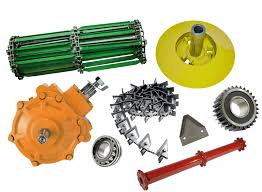
Can I replace agricultural spare parts myself or should I hire a technician?
Time is also a key consideration. Farmers often face tight seasonal schedules, and delays can affect crop yields. While replacing simple Agricultural Spare Parts personally may save time, complex repairs may take significantly longer without professional help. A technician can often diagnose issues quickly and complete repairs efficiently, ensuring that machinery returns to service without unnecessary delays. For busy farm operations, outsourcing difficult repairs can be the most practical approach.
Cost is another factor that influences the decision. While professional services add to expenses, they also ensure that complex Agricultural Spare Parts are installed correctly the first time. This can prevent future breakdowns, reducing long-term maintenance costs. On the other hand, skilled farmers who are comfortable with mechanical tasks can save money by handling straightforward replacements themselves.
Ultimately, choosing between replacing Agricultural Spare Parts personally or hiring a technician depends on the complexity of the task, available tools, safety considerations, and the urgency of repairs. Many farmers find a balanced approach works best: performing simple repairs on their own while leaving advanced or high-risk tasks to professionals.
Farmers rely on both original equipment manufacturer (OEM) parts and aftermarket components. OEM parts are designed by the machinery manufacturer and are often preferred for their guaranteed compatibility and durability. Aftermarket parts, produced by third-party manufacturers, can offer cost savings and may even include improved materials or designs. However, not all aftermarket options meet OEM quality standards, so farmers must carefully evaluate suppliers. The choice between OEM and aftermarket agricultural spare parts often depends on cost, availability, compatibility, and the urgency of repairs. Many farmers keep a mix of both on hand to balance performance and budget.
Availability of spare parts is crucial in agriculture, but it is also one of the industry’s biggest challenges. Machinery manufacturers sometimes discontinue production of parts for older equipment, leaving farmers struggling to find replacements. This is especially problematic for farms that depend on older tractors and implements known for their durability but lacking modern support. In many regions, counterfeit parts have also entered the market, posing serious risks to equipment performance and operator safety. These fake parts may look identical to genuine ones, but they often lack the quality, precision, and strength required for agricultural use. Farmers must remain vigilant, purchase from reputable suppliers, and learn how to identify authentic agricultural spare parts.
