 admin
adminfrustration of contract termination definition apply to fixed contracts
Fixed-term contracts are commonly used in employment and commercial settings to define a clear start and end date for a contractual relationship. While these contracts provide certainty, unexpected events can sometimes prevent the parties from fulfilling their obligations. This is where the concept of frustration of contract becomes relevant. Understanding whether frustration of contract termination definition can apply to fixed contracts is essential for both employers and employees, as it determines when a contract may end automatically without liability for either party.
Frustration of contract termination definition refers to situations where an unforeseen event occurs after the formation of the contract, making performance impossible or radically different from what was originally agreed. This doctrine is recognized under common law and is not dependent on fault. In the context of fixed-term contracts, frustration may arise when circumstances beyond the control of the parties prevent the contract from being executed according to its original terms. For example, if a fixed-term employment contract is set for a year but the company ceases operations due to a sudden regulatory prohibition or catastrophic event, the contract may be frustrated. Similarly, if an employee suffers a permanent disability that makes it impossible to perform the essential duties of the role, frustration could also apply.
Applying Frustration of contract termination definition to fixed contracts is particularly significant because fixed contracts usually have clear end dates, and the parties often rely on the contract to secure predictable obligations. However, the fixed nature of these contracts does not prevent frustration from operating. The legal principle focuses on impossibility or radical change in the obligations rather than the duration or certainty of the contract. Courts have consistently held that even fixed-term agreements can be frustrated if unforeseen events fundamentally alter the nature of performance. This ensures that neither party is unfairly penalized for circumstances beyond their control.
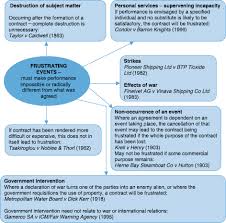
Can frustration of contract termination definition apply to fixed contracts?
It is important to distinguish frustration from voluntary termination or breach in the context of fixed contracts. While an employer may be tempted to end a fixed-term contract due to business convenience, such action constitutes dismissal or breach, not frustration. Frustration of contract termination definition only applies when performance becomes objectively impossible or drastically different from what was agreed. In practical terms, this means that even a fixed-term contract can be brought to an early end without liability if the frustration criteria are met. This distinction is vital for managing the expectations of both parties and avoiding unnecessary disputes or claims for damages.
The consequences of applying frustration of contract termination definition to fixed contracts also differ from typical termination scenarios. Since frustration occurs automatically due to impossibility, the parties are usually relieved from performing future obligations. This may affect entitlements such as salaries, bonuses, or other contractual benefits. However, any benefits already accrued up to the point of frustration may still be owed. Legal advice is often sought in these cases to determine the precise application, as misclassifying a termination as frustration rather than dismissal could lead to disputes over compensation or notice periods.
In summary, frustration of contract termination definition can indeed apply to fixed contracts, provided that an unforeseen event makes performance impossible or radically different. The fixed term of a contract does not shield it from this legal doctrine. Understanding this principle helps both employers and employees navigate unexpected events while clarifying rights, obligations, and potential remedies under the law. Recognizing the applicability of frustration in fixed-term agreements ensures fairness and prevents undue liability when circumstances beyond anyone’s control arise.
